


Our
Work

Before Birth
During Emergencies
At the Bedside

Before Birth

Postpartum hemorrhage (PPH) — severe bleeding during or after childbirth — is the leading cause of maternal death worldwide. 

Women who begin labor already weakened by iron-deficient anemia and other micronutrient deficiencies, are especially vulnerable to severe blood loss and other complications during childbirth because their bodies have less reserve to survive hemorrhage.
In many parts of Sub-Saharan Africa, malaria further worsens this crisis by contributing to maternal anemia during pregnancy, increasing the risk of life-threatening complications for both mother and baby. 

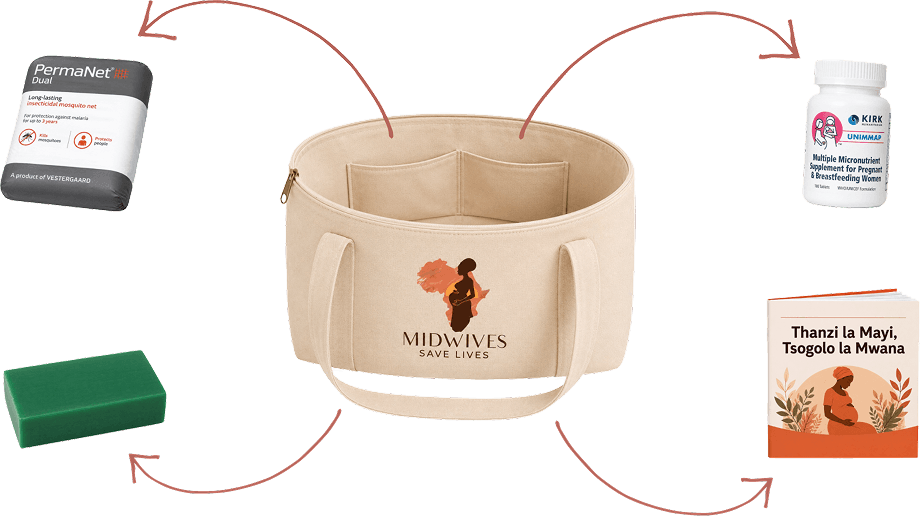
Midwives Save Lives provides pregnant women with prenatal kits designed to reduce iron-deficiency anemia and improve maternal nutrition during pregnancy. Each kit includes iron and folic acid supplements to support healthy hemoglobin levels, an insecticide-treated mosquito net to help prevent malaria, a bar of soap to promote good hygiene, and illustrated, low-literacy educational materials that empower mothers with essential prenatal health knowledge and encourage consistent supplement use. 
During Emergencies

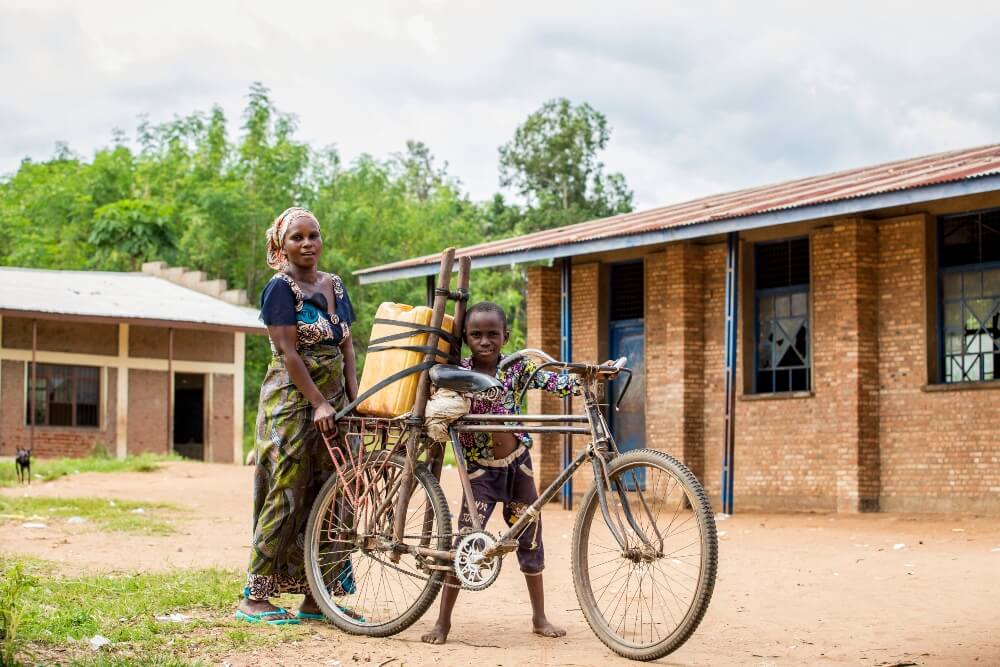
Midwives Save Lives provides tricycle ambulances to last-mile villages in rural Sub-Saharan Africa, helping mothers reach life-saving medical care in areas where rough terrain and long travel distances often delay emergency transport. These ambulances are co-designed with midwives and community leaders, specifically for rural conditions, and are deployed at a fraction of the cost of a traditional ambulance.

By providing emergency transport, we ensure that pregnant women in rural areas can reduce the delays that often lead to preventable deaths.

At the Bedside
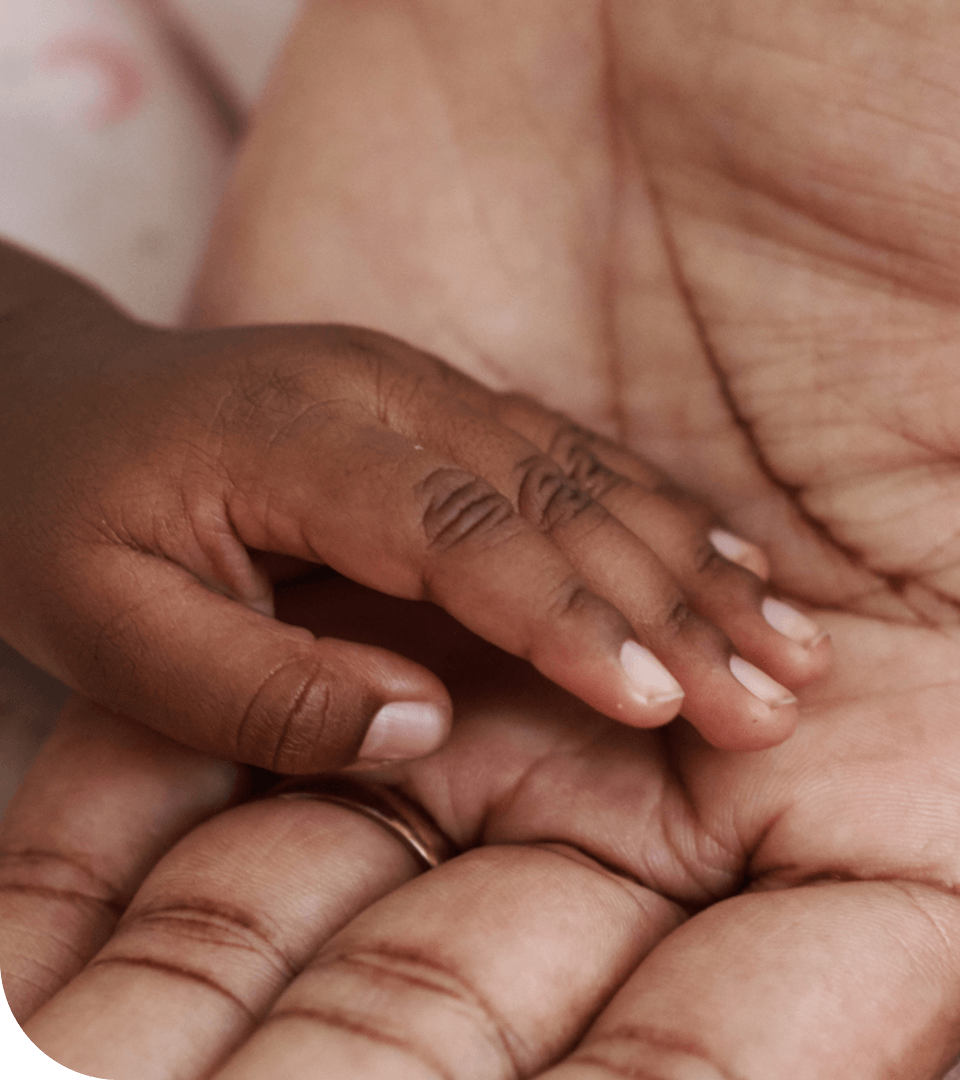
Midwives Save Lives identifies economically disadvantaged young women and orphans who aspire to become midwives and provides full academic scholarships for undergraduate midwifery degrees through our partnership with Kamuzu University of Health Sciences (KUHeS). Our scholarships include full tuition, clinical supplies, uniforms, and licensure exam fees. In exchange, scholarship recipients commit to serving in local, public health facilities for 4 years after graduation, helping address the severe maternal healthcare workforce shortages that contribute to preventable maternal and infant deaths.

Most maternal deaths are preventable — but prevention requires more than one solution.

Supporting Sustainable Development Goal 3:
Good Health and Well-Being